Al-Qassim day trip from Riyadh: is it worth the drive?
Is a day trip to Al-Qassim from Riyadh worth it?
For most visitors, no. Al-Qassim (Buraydah) is a long haul from Riyadh and the region's sights are modest compared to Edge of the World, the Red Sand Dunes, or Ushaiger. It suits travellers who have already covered Riyadh, Diriyah, and one desert excursion and specifically want a farming region rarely visited by tourists.
Where Al-Qassim fits on a Riyadh trip
Most people who ask about Al-Qassim have already done the obvious things. They’ve walked around Riyadh, spent a morning or an afternoon in Diriyah, and taken one desert excursion — usually Edge of the World or the Red Sand Dunes. Then they see Al-Qassim mentioned somewhere and wonder whether it’s the next logical step.
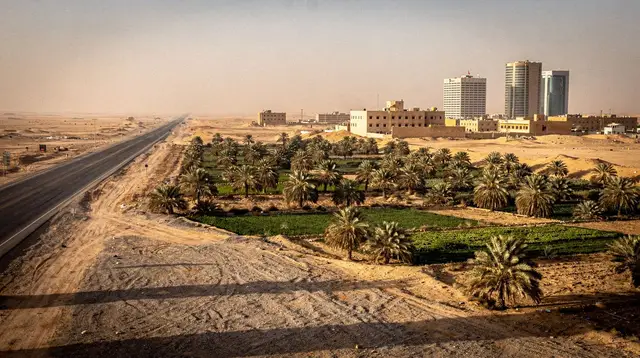
It isn’t, for most people. Al-Qassim — centred on the city of Buraydah, with neighbouring Unaizah close by — is a real region with a real identity: it’s the agricultural heartland of Saudi Arabia, known for camel breeding, date farming, and a slower, more traditional pace than the capital. But it’s also genuinely far from Riyadh, and this site doesn’t put a number on the drive because we haven’t confirmed one we’re confident in. What we can say plainly is that it’s a longer haul than any of the day trips this site actively recommends, and that alone should shape how you think about it.
This page is here because the question comes up, not because we think most readers should book it. If you’re planning your first visit to Riyadh, skip ahead to things to do in Riyadh or how many days in Riyadh and come back to this one later, if at all.
What Al-Qassim actually is
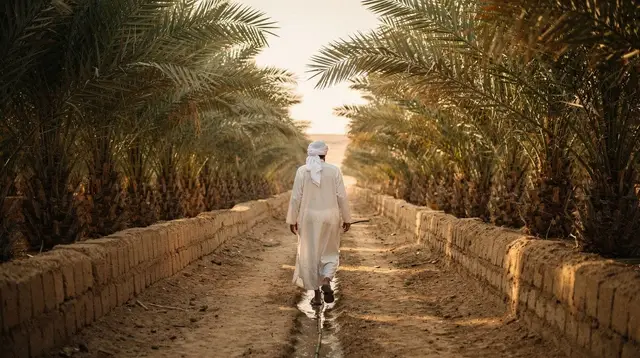
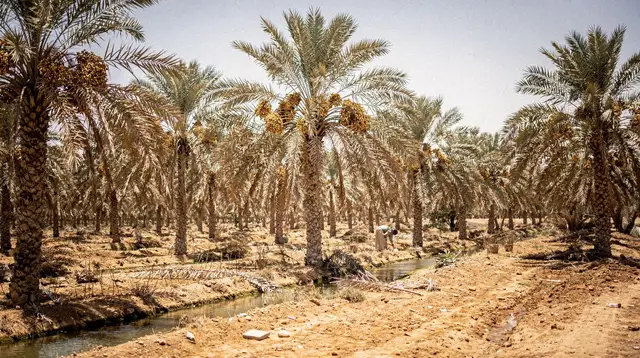
Al-Qassim province sits north-west of Riyadh, and its main city, Buraydah, is one of the country’s larger urban centres — but it functions very differently from the capital. The region is known nationally for its camel markets and date production; if you’ve seen references to Saudi camel-breeding culture or high-value date varieties, there’s a good chance Al-Qassim was the source.
Unaizah, close to Buraydah, has its own identity within the region, with local heritage spots including Aseeb Boulevard and the al-Oqailat Museum — small-scale sites that tell you something about the area’s trading and agricultural history rather than headline monuments. There’s no equivalent here to At-Turaif in Diriyah or to the sweeping cliffs of Edge of the World. Al-Qassim’s appeal is quieter: farms, markets, and towns that see far fewer tourists than Riyadh does.
That’s not a criticism. It’s a description. Some travellers specifically want a region that hasn’t been shaped around visitors, and Al-Qassim delivers that. But it means going in with the right expectations matters more here than almost anywhere else covered on this site.
The traditional building style you’ll see around Unaizah and older parts of Buraydah is the same Najdi mud-brick architecture found in Diriyah and in Shaqra and Ushaiger, though less restored and less curated for visitors here than at Ushaiger’s heritage village. If that architectural style is what draws you to Al-Qassim, it’s worth asking whether Ushaiger — closer to Riyadh and specifically preserved for visitors — gives you more of what you’re actually after for less driving. For more on the style itself, see Najdi mud-brick architecture explained.
Why this site doesn’t push it
We’re direct about this because the alternative — dressing up a modest, distant region as a must-do — wastes a reader’s time and money. Al-Qassim is what we’d call a tier-three destination: real, bookable, occasionally worthwhile, but not something the site actively recommends to most visitors planning a Riyadh trip.
Compare it honestly with the destinations that do get top billing. Edge of the World delivers a dramatic escarpment view that’s hard to match anywhere near a major city. The Red Sand Dunes give you quad biking, dune activities, and a sunset camp within reach of an afternoon or evening out. Shaqra and Ushaiger offer restored mud-brick heritage villages that are visually distinctive and manageable in a day. Each of those has a clear, specific reason to go.
Al-Qassim’s case is softer: it’s interesting if you care about Saudi agriculture and want to see a working region rather than a curated attraction, and it’s a long way to go for that. If you’re choosing one extra excursion beyond Riyadh and Diriyah, the desert trips above will almost always serve you better. Al-Qassim is for the traveller who has already done those and specifically wants something different — not more of the same, and not necessarily more impressive.
Distance and getting there — what we know and don’t
We’re not going to give you a drive time or a kilometre count for Riyadh to Al-Qassim, because the brief behind this page doesn’t supply one we trust, and inventing a figure would be worse than leaving it out. What we can tell you with confidence is that it’s meaningfully further than any of the desert day trips near Riyadh, and that most people covering it as a day trip are looking at a long day on the road in both directions.
For the real number, check the specific tour listing on GetYourGuide or Viator before you book — operators list realistic durations because their itineraries depend on getting the timing right. Some listings also reference Al-Qassim’s own regional airport, with lounge access sold as part of a package, which suggests flying may be a practical option for some travellers rather than driving the whole way. If flying interests you, read the tour description carefully: a road-based day trip and an air-inclusive itinerary are organised very differently, and you don’t want to assume one when you’ve booked the other.
Given the distance either way, this isn’t a self-drive trip we’d recommend attempting without local knowledge of the route. An organised tour or a private driver who knows the roads and the stops is the sensible way to do this, the same way private tours in Riyadh make sense for other longer excursions from the capital.
Visa, currency, and the practical basics
None of the entry or payment rules change once you leave Riyadh for Al-Qassim, but they’re worth having straight before a long day on the road. Saudi Arabia opened to tourism in September 2019, and most Western visitors — from the EU/Schengen area, the UK, the US, Canada, Australia, Japan, and South Korea — get an e-Visa online through the official portal, visa.visitsaudi.com, or a visa on arrival if their nationality is eligible; GCC citizens need no visa at all. Whichever route applies to you, your passport needs at least six months of validity. See Saudi Arabia e-visa and entry rules for the current process rather than relying on a fixed fee quoted here, since visa costs change.
The currency is the Saudi riyal (SAR), pegged to the US dollar, and cards plus contactless payment are accepted almost everywhere in Saudi Arabia, including small shops. That said, on a trip this far from Riyadh it’s worth carrying a bit of cash — rural stops, small farm shops, and roadside breaks in Al-Qassim are exactly the kind of places where a card reader might not be handy. See money, cards, and payments in Riyadh for more on how that plays out day to day.
What a Qassim-focused tour typically covers
Tours built around Al-Qassim tend to group a few themes: camel and date farms, small-town heritage in Buraydah and Unaizah, and occasionally airport-related logistics. A trip built around camel breeding and date farming in the Al-Qassim region gives you the agricultural side that makes the region distinctive — working farms rather than a museum piece.
For the town heritage angle, a listing covering Buraydah and Unaizah’s Aseeb Boulevard and the al-Oqailat Museum is the closer equivalent to a city walking tour, on a smaller and less polished scale than anything in central Riyadh.
If flying into the region rather than driving appeals to you, there’s a listing for lounge access at Al-Qassim’s regional airport worth checking if your itinerary includes a flight leg. And if you’d rather have a dedicated driver handle the whole day regardless of which sights you pick, a full-day private VIP tour out of Riyadh is the option that gives you the most control over pacing on a long trip like this.
As with everything on this site, treat the price and schedule shown in these listings as the current figure, not something fixed here — tour operators update both, and the booking page is the accurate source at the time you’re travelling.
Who should actually consider this trip
Be honest with yourself about which of these you are:
- You’ve done Riyadh’s heritage sites, Diriyah, and at least one desert excursion, and you have an extra day with no strong plan for it. Al-Qassim is a reasonable use of that day if the agricultural angle interests you.
- You have a specific interest in camel breeding, date cultivation, or Najdi small-town life away from the capital, and you’re willing to spend a long day travelling to see it properly.
- You’re not on a first visit and you’re not trying to maximise sightseeing per day — you want something different rather than something impressive.
If you recognise yourself in the list above and you’re building a longer trip anyway, it’s worth looking at an itinerary that already accounts for the extra day rather than bolting Al-Qassim onto a shorter plan and running short on time everywhere else. Riyadh, Ushaiger, and Qassim in four days is built around exactly this combination, pairing the desert and heritage villages with the longer regional trip so the pacing works instead of turning into a rushed add-on.
If none of those describe you, your remaining time is almost certainly better spent on multi-day tours from Riyadh that loop in the desert excursions properly, or simply extending time in Riyadh and Diriyah, where the density of things worth seeing is much higher per hour spent.
How it compares to the desert excursions you’d do instead
| Trip | Distance from Riyadh | What you get | Best for |
|---|---|---|---|
| Edge of the World | Long drive, partly off-road | Dramatic escarpment views, sunset | Most visitors adding one desert day |
| Red Sand Dunes | Shorter drive than Edge of the World | Dune activities, sunset camp | Visitors wanting activity plus scenery |
| Shaqra and Ushaiger | Longer drive, heritage villages | Restored mud-brick architecture | Heritage-focused visitors |
| Al-Qassim | Longer than all of the above | Farms, low-key town heritage | Repeat visitors, niche interest |
This table isn’t meant to talk you out of Al-Qassim outright — it’s meant to show where it actually sits relative to the trips this site does recommend, so you can decide with your eyes open.
This is also where trip type matters. Solo travellers with flexible schedules and repeat visitors chasing something different are Al-Qassim’s natural audience; families juggling nap schedules or visitors travelling with kids are usually better served staying closer to Riyadh, where the desert excursions and city sights are within an hour or two rather than a full day each way.
Practical notes if you go
A few things apply regardless of how you get there. Riyadh’s driving norms — right-hand traffic, dense congestion at peak hours in the city itself — don’t really apply once you’re out on the intercity route, but the distance means you should budget a full day, not a half-day, whichever transport you choose. If you’re renting a car for the wider trip, see renting a car in Riyadh for what that involves; for a trip this long, most visitors are better served by a tour or private driver than self-driving.
Dress and etiquette rules are the same as anywhere else in Saudi Arabia: modest dress for everyone in public, no alcohol anywhere, and the standard Friday–Saturday weekend that shapes when towns and businesses are busiest. None of that changes because you’re further from the capital — if anything, smaller towns tend to be more conservative in practice than central Riyadh, so it’s worth defaulting to the more modest end of what’s comfortable.
If your trip runs during summer, the same heat logic that applies to desert excursions near Riyadh applies here too, only over a longer travel day: plan around the cooler parts of the day where you can, and don’t expect midday stops in Buraydah or Unaizah to be pleasant between roughly May and September.
If you’re weighing timing more precisely, the same seasonal pattern that governs the rest of a Riyadh trip applies here: November through March brings mild, sunny days — roughly 20 to 25°C from December to February — with cold desert nights, which is the easiest window for a long day trip like this one. May through September regularly pushes past 40°C, and a day that already involves hours in a car is a bad day to add serious midday heat on top of it. See best time to visit Riyadh and Riyadh weather by month for the fuller picture.
If your trip falls during Ramadan, expect the towns along the way — and Buraydah and Unaizah themselves — to run on shifted hours, with eating, drinking, and smoking in public off-limits during daylight even for visitors. That’s true everywhere in Saudi Arabia, not just here, but it’s easy to underestimate on a long travel day where you might otherwise plan to stop for food along the route. See visiting Riyadh during Ramadan for how to plan around it.
The honest bottom line
Al-Qassim is a real region with its own identity, and for the right traveller — someone who’s already covered Riyadh’s essentials and wants a longer, quieter, agriculture-focused day away from the usual desert circuit — it can be worth the trip. For nearly everyone else, the distance outweighs what you’ll see, and the desert excursions and heritage villages closer to Riyadh will give you more per hour on the road. If you do decide to go, book through an established tour rather than attempting the drive without local knowledge, and check the current route and duration on the listing itself before you commit a full day to it.
Al-Qassim day trips from Riyadh on GetYourGuide
Verified deep-linked GetYourGuide tours. Book through these links and we earn a small commission at no cost to you.
GetYourGuide does not provide a product photo for this activity — the image shows the meeting point, photographed by us.